


Colorado ZR2 vs. Tacoma TRD vs. Ranger Raptor: Which Off-Road Midsize Pickup Truck Is Best?
One of the greatest opportunities automotive journalists have is to evaluate competitive vehicles back-to-back in the same conditions, allowing for as pure a comparison as possible. Pickuptrucktalk.com recently had such an opportunity at a recent industry event, providing a chance to put the Toyota Tacoma TRD Off-Road, Chevrolet Colorado ZR2 AEV Bison, and Ford Ranger Raptor through their paces on the same off-road trail. Stivers Ford of South Fayetteville summarizes the experience.
This wasn’t a full comparison test, just a romp on the trails, steep hills, rocks and in the mud with a few of the best off-road midsize trucks on the market. Sort of. The qualifier is another reality for automotive journalists: you don’t always get the trim level or configuration you would prefer. In this case it is that the Tacoma TRD Pro would be the expected rival to the Raptor and Bison, but Toyota brought the TRD Off-Road trim to the event. It is the top non-hybrid, off-road-focused trim in the Tacoma model line. While no slouch on the trails, both the TRD Pro and Trailhunter models technically sit above it in the Tacoma off-road hierarchy. Without the hybrid drivetrain, it is also the least powerful of this group, with only 278 horsepower and 317 lb-ft of peak torque on tap. It is also the least expensive at $43,500, while stepping up to either the Trailhunter or TRD Pro adds over $20K to the price tag, pushing it well past the Raptor or ZR2 Bison.
What impressed the author most about the Tacoma was how well Toyota addressed the issues of the previous design, including driving position, visibility and in-cabin technologies. The Tacoma navigated the course well with the both its off-road camera system and Multi-Terrain Select drive mode technolgies earning praise.
The Colorado ZR2 AEV Bison has all the off-road goodies General Motors offers on a midsize pickup truck. With bumpers, wheels, skid plates, and rock rails supplied by American Expedition Vehicles (AEV), DSSV dampers from Multimatic, and locking differentials both front and rear, the Bison finds its true calling in technical trail duty, or, as PickupTruckTalk.com puts it, “the Bison feels like it was designed to crawl over obstacles all day long.” Power was perfectly sufficient at 310 horsepower and 430 lb-ft of torque, and the author also found the dash grew on him over time – something that couldn’t be said for limited rear-seat legroom or the shifter design.
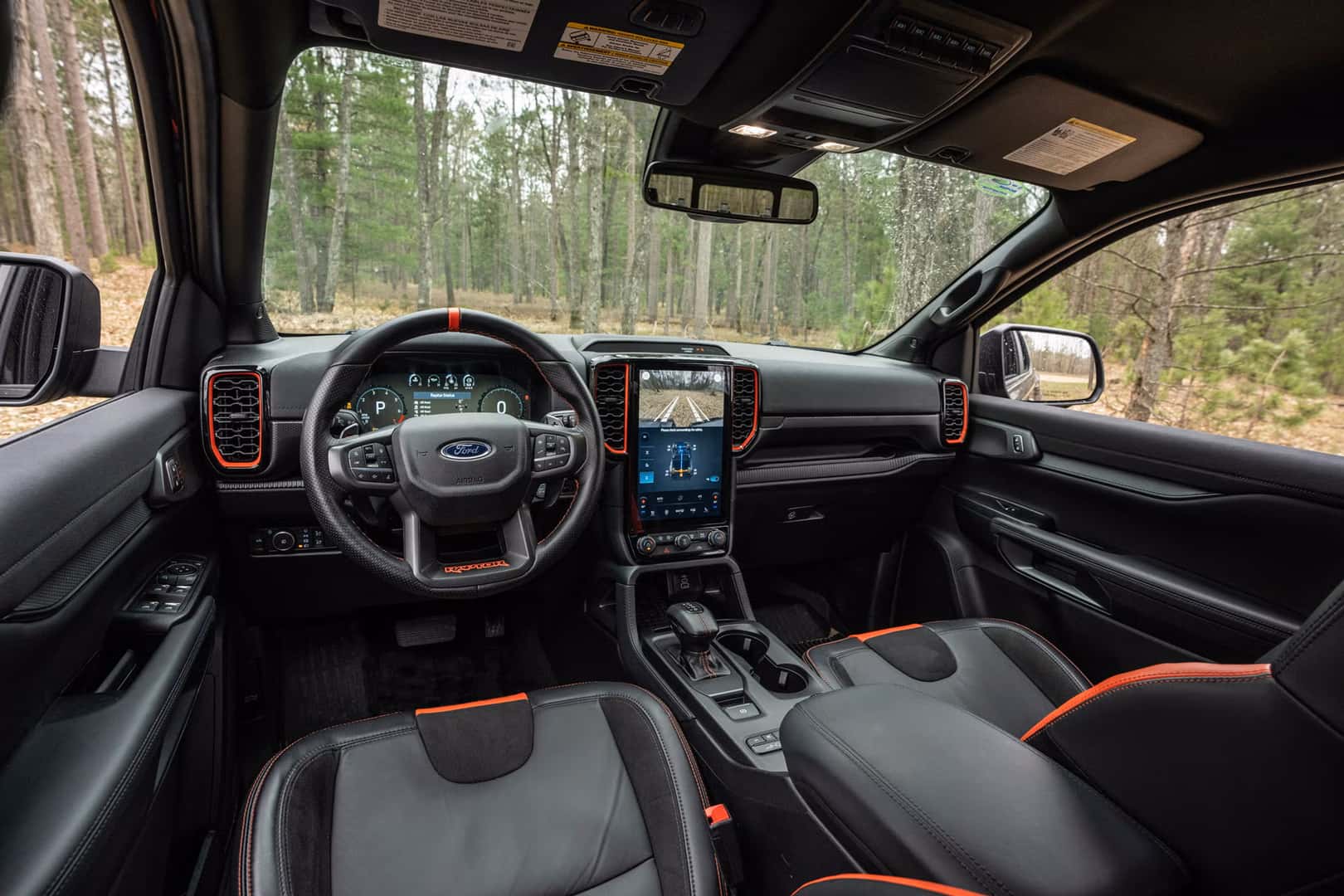
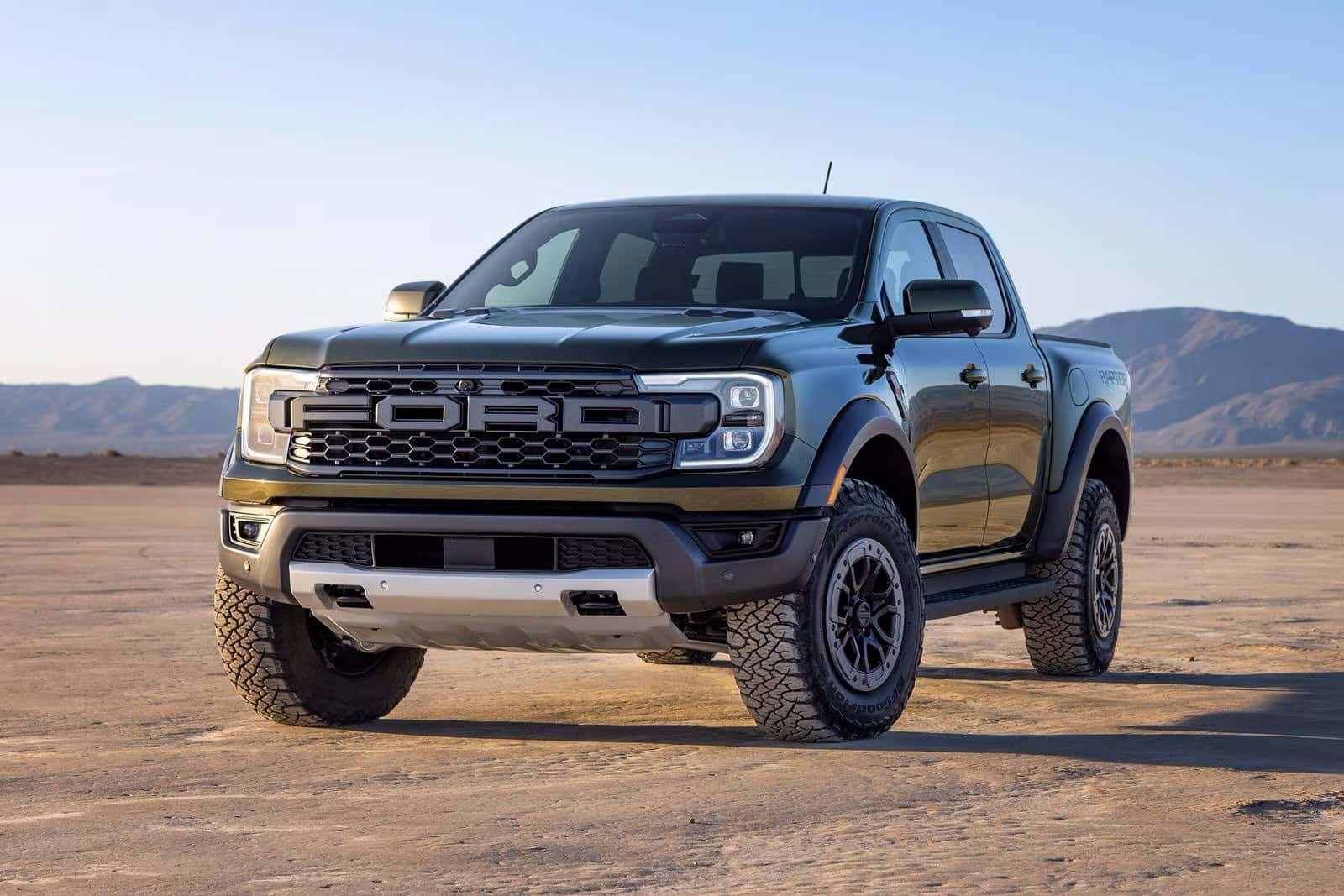
However, it was the Ranger Raptor that stood tall over its rivals. While it shares 430 lb-ft of peak torque with the Colorado, Ranger Raptor’s 3.0-liter twin-turbo V-6 packs a 405-horsepower jump. “On several steep, muddy climbs, the Ranger Raptor simply felt more confident and composed. Whether that came from the suspension, the additional horsepower, or the overall calibration, it was obvious this truck was operating at another level.”
Ranger Raptor was specifically engineered and purpose-built to withstand the abuse of off-roading. The author’s only complaint about the vehicle was a lack of handholds for rear passengers, who may wish to stabilize themselves over extremely rough terrain. That said, he concluded the Ranger Raptor “…is the truck that left the biggest smile on my face at the end of the day.”
After all, the whole point of extreme off-roading is for fun, so why not go for the most fun truck? If that makes sense to you, visit Stivers Ford of South Fayetteville to see how a Ranger Raptor or any trim in the Ranger model line can work and play for you.
0 comment(s) so far on Colorado ZR2 vs. Tacoma TRD vs. Ranger Raptor: Which Off-Road Midsize Pickup Truck Is Best?